

GET UP TO 50% OFF + FREE SHIPPING

Home > Trending > Dog Health
I've Been a Vet for 17 Years. We've Been Treating Dog Allergies Wrong This Entire Time.
Why the dogs on Apoquel and Cytopoint keep coming back - and what I finally started recommending instead.
As Seen On





December 11th, 2025 | 12:20 am EST
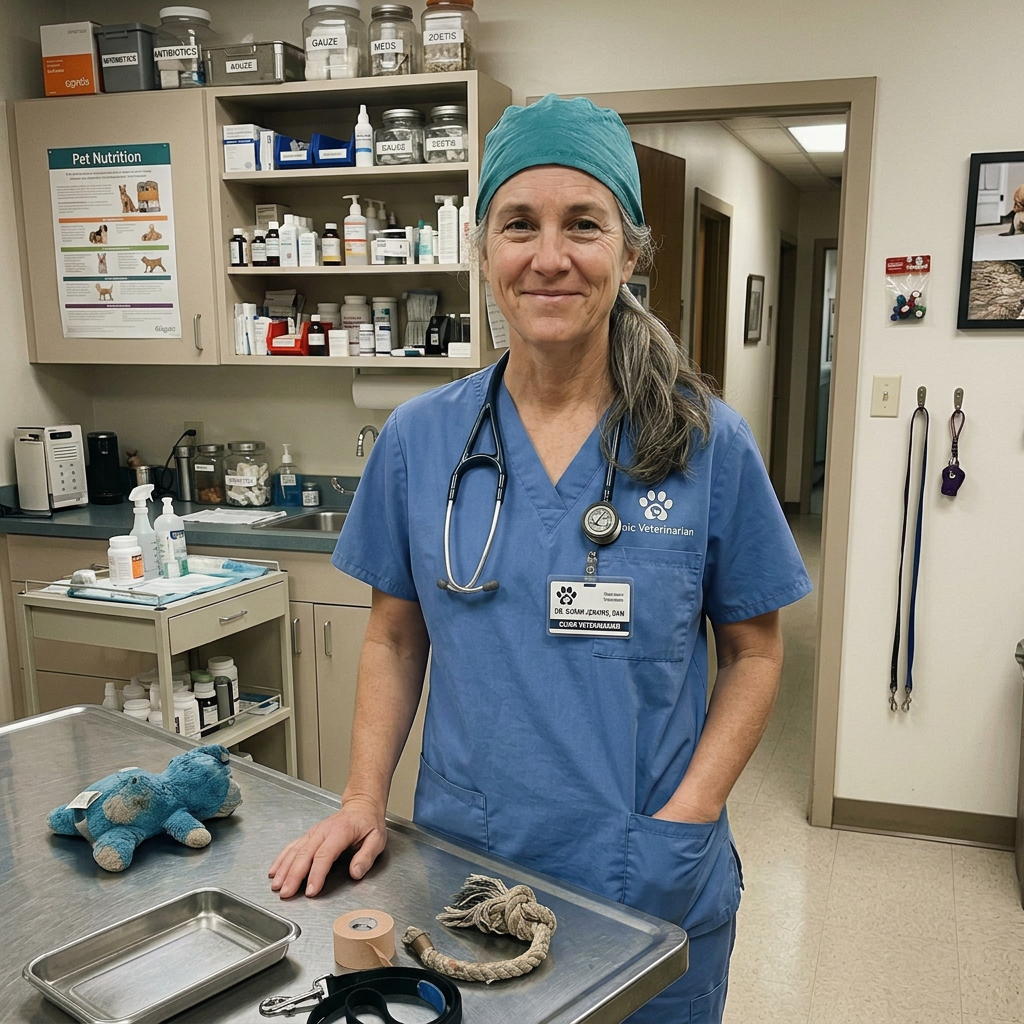
Dr. Sarah Jennings, DVM

There are certain dogs I'll never forget.
One was a four-year-old Golden named Biscuit. His owner brought him in on a Tuesday morning.
She hadn't slept in three days because he'd been scratching himself raw — clawing at his ears, gnawing at his paws, dragging his belly across the carpet trying to get relief.
She sat in my exam room crying.
"I've tried everything you told me to try," she said. "The Apoquel. The Cytopoint shots. The medicated shampoo. The prescription food. None of it's working anymore."
I looked at Biscuit's chart. Eighteen months of treatments. Over $2,400 in medications. And he was worse than when we started.
I didn't have a good answer for her. Not that day.
But Biscuit is the reason I started questioning everything I was trained to believe about dog allergies.
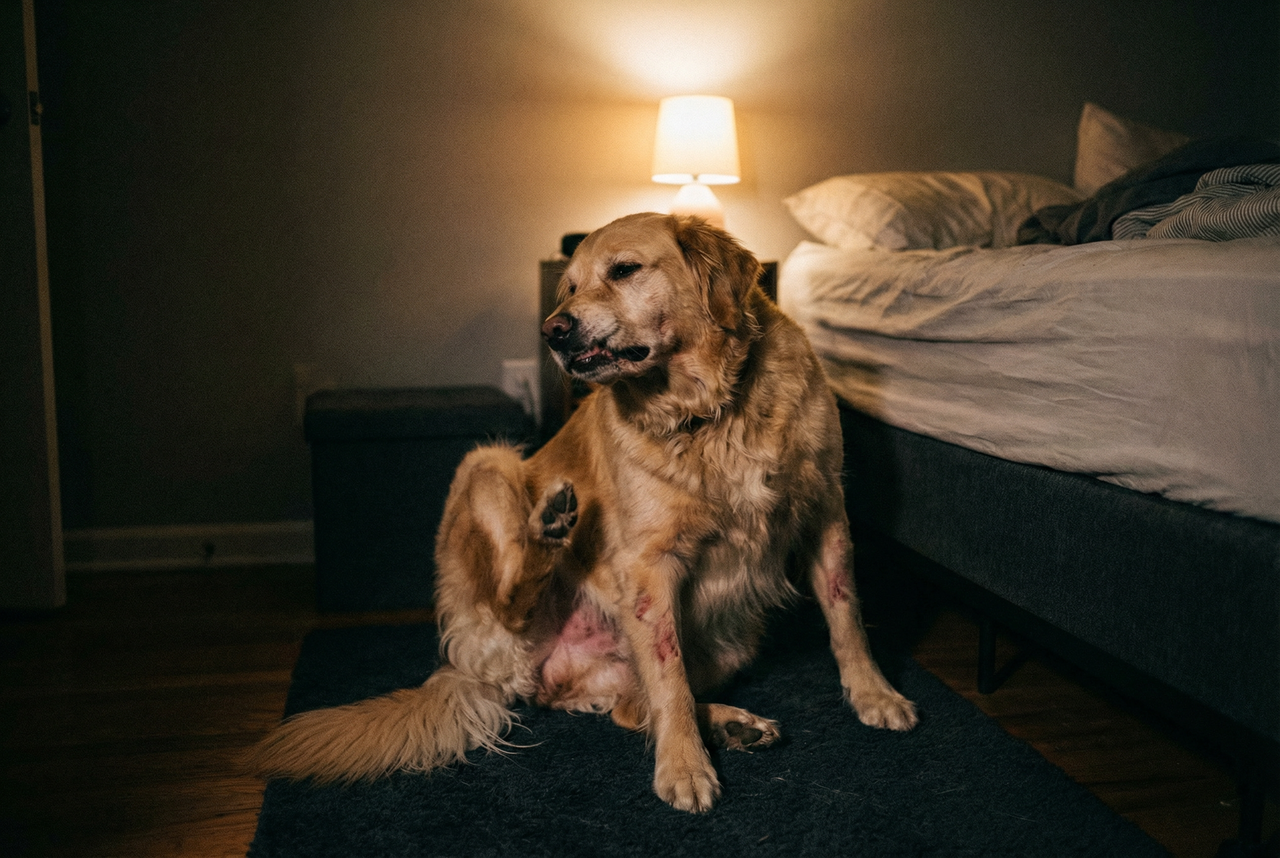
Here's What Vet School Taught Me About Itching
Dog scratches constantly? Environmental allergies. Prescribe Apoquel.
Apoquel stops working? Add Cytopoint injections.
Cytopoint wearing off faster? Increase frequency.
Still itching? Allergy panel. Elimination diet. Medicated baths. Stronger immunosuppressants.
That's the playbook. I followed it for fifteen years.
And I watched the same thing happen over and over: temporary relief, then the itching comes back. Temporary relief, then worse. A cycle that never actually ends — it just gets more expensive.
I want to be honest about something. For most of my career, I accepted this. "Chronic allergies require chronic management." That's what we're taught. The goal isn't to cure it. The goal is to manage it.
But about two years ago, I started keeping informal notes on my allergy cases. Just tracking outcomes. And the pattern was hard to ignore.
Dogs that started on Apoquel — roughly 60-70% got meaningful relief in the first few months. Good. That's what you want to see.
But by month eight or nine? Maybe 30-40% were still responding well. The rest needed higher doses, added medications, or had plateaued entirely.
And the ones on long-term immunosuppressants? I started seeing more secondary infections. Skin issues that looked different from the original allergy presentation. GI problems. A handful of tumor cases in dogs under seven — which is unusual.
I'm not saying those medications caused the tumors. I can't say that. But I can say that suppressing a dog's immune system for years at a time isn't something any of us went to vet school feeling great about.
The medications aren't the problem, exactly. The problem is what we're NOT doing while we prescribe them.
We're not asking why the immune system is overreacting in the first place.

The Phone Call That Changed How I Practice
Six months ago, a vet I went to school with — someone I trust, someone who's as skeptical about supplements as I am — called me about a patient she'd been struggling with. A chronic itcher.
Three years on Apoquel. She'd tried everything.
Then she said something I wasn't expecting.
"I took him off everything and put him on a gut restoration protocol. Five weeks later, the scratching stopped."
I almost laughed. Gut health? For skin allergies? That sounded like something you'd read on a wellness blog. Not something a board-certified vet would recommend.
But she was serious. And she wasn't talking about one dog.
"Sarah, I've done this with fourteen dogs now. Twelve of them are off allergy medications completely. The other two are on half their previous dose. I'm not exaggerating."
She sent me the research she'd been reading. And I need to tell you what I found — because it changed how I think about every itching case that walks into my clinic.
80% of Your Dog's Immune System Lives in Their Gut
I know that sounds like a strange number. But it's well-established immunology.
The gut lining is the largest immune interface in the body. It's where the immune system decides what to attack and what to tolerate. When that system works properly, your dog encounters pollen, dust, grass — normal environmental stuff — and their body ignores it. No reaction. No inflammation. No itching.
But when the gut microbiome is disrupted — when beneficial bacteria die off and harmful bacteria overgrow — the intestinal lining starts breaking down.
This is what researchers call intestinal permeability. You might have heard it called "leaky gut."
Here's what happens: undigested proteins and environmental particles start leaking through the damaged gut wall directly into the bloodstream. The immune system sees these as invaders. It launches an inflammatory response. Cytokines flood the system.
That inflammation shows up as itching. Paw licking. Ear infections. Hot spots. Red, irritated skin.
It looks exactly like environmental allergies. Every symptom matches.
But the environment isn't the cause. The gut is.
And here's the part that made me sit back in my chair:
Apoquel works by blocking the inflammatory cytokines — the JAK pathway specifically. It suppresses the immune response so the itching stops.
But it doesn't do anything about the damaged gut that's triggering the immune response in the first place.
So the moment the medication wears off, the gut is still leaking. The immune system fires up again. The itching returns.
We weren't failing because we had the wrong medication. We were failing because we were treating a symptom as if it were the disease.
Why Everything Else Fails Too
Once I understood the gut connection, every failed treatment in my career suddenly made sense.
Hypoallergenic food trials. We'd spend eight weeks eliminating proteins, trying to find the "trigger food." But in most cases, the food isn't the problem. A dog with a healthy gut can eat chicken just fine. It's the damaged gut lining allowing undigested proteins through that creates the reaction. Fix the gut, and the food "allergy" often disappears.
Allergy testing panels. We'd run a $500 test, identify 15 environmental triggers, and tell the owner to avoid them all. But we never asked why their dog's immune system was overreacting to normal things. A healthy immune system doesn't attack grass pollen. A dysregulated one does — because the gut told it to.
Cytopoint injections. Same mechanism as Apoquel, different pathway. Blocks the itch signal. Doesn't fix the cause. Works great for a few weeks. Then you're back.
Medicated shampoos. You can't wash off an internal immune dysfunction. The skin is the symptom, not the source.
I'd been prescribing all of these for years. Confidently. Because that's what I was trained to do.
But looking at it through the gut lens — we were just managing a fire while ignoring the gas leak.
So I Did What I Always Do — I Went to the Research

I spent three weeks reading everything I could find on canine gut microbiome and immune function.
The studies were there. They'd been there for years. I just hadn't been looking.
Dogs with chronic "allergies" consistently showed gut dysbiosis — reduced microbial diversity, overgrowth of pathogenic bacteria, compromised intestinal barrier function. When researchers restored gut health in these dogs, immune markers normalized. Inflammatory cytokines dropped. Skin symptoms resolved.
Not in all cases. Nothing works in all cases. But the numbers were significant enough that I couldn't ignore them.
The question was: what does effective gut restoration actually look like?
Because I'll tell you — most probiotics on the market are basically useless for this.
Single-strain products. No gut lining repair. No anti-inflammatory support. You're throwing a few bacteria into a damaged environment and hoping they survive stomach acid. Most of them don't.
The research showed that meaningful gut restoration requires five things working together:
Spore-forming probiotics — specific strains like Bacillus coagulans and Bacillus subtilis that actually survive the stomach and colonize the intestines. These are clinically shown to reduce inflammatory cytokines. Not the lactobacillus strains in most pet store products that die before they reach the gut.
Postbiotics — the beneficial compounds that probiotics produce. Short-chain fatty acids, enzymes, peptides. Including these gives immediate anti-inflammatory support while the live bacteria establish. This is why some dogs see improvement within two weeks instead of eight.
Prebiotics — specifically inulin. This feeds the beneficial bacteria so they multiply and sustain. Without prebiotics, you can add all the probiotics you want — they'll die off within weeks because there's nothing supporting them.
Gut lining repair — colostrum. Rich in immunoglobulins and growth factors like IGF-1 and TGF-beta that physically repair the damaged intestinal barrier. This is the critical piece most products miss entirely. If the gut lining stays permeable, allergens keep leaking through no matter how many probiotics you add.
Stress cycle disruption — cortisol directly damages gut health through the gut-brain axis. A dog that's chronically itching is chronically stressed, which damages the gut further, which increases the immune overreaction, which causes more itching. You have to break that cycle. Ashwagandha is one of the few compounds with clinical evidence for reducing cortisol in this context.
Five components. All five working together. I couldn't find a single product that combined them.
Then My Colleague Told Me What She'd Been Using
The vet who called me — the one with fourteen dogs off their allergy meds — had found exactly one formula that checked every box.
It's called Nira Pet.
I'll be honest. When she first mentioned it, my instinct was skepticism. I'm always skeptical of supplements. The pet supplement industry is largely unregulated, and most products don't contain what their labels claim.
But three things stood out about this one.
First — the formula matched the research exactly. Two clinically-studied spore-forming probiotic strains. Postbiotics. Prebiotics (inulin). Colostrum for gut lining repair. Ashwagandha for cortisol reduction. It wasn't a random collection of ingredients. It was the exact five-part protocol the studies supported.
Second — eight third-party certifications. NASC quality seal. cGMP manufacturing. Independent lab verification. In an industry where most products have zero verification, that mattered to me. What's on the label is actually in the product.
Third - it costs about $27 a jar with the bundle. Most of my chronic allergy patients were spending $200-500 a month on Apoquel and Cytopoint. Even if this only worked for a portion of them, the risk-to-benefit ratio was obvious.
So I started recommending it. Cautiously. Only to my chronic cases — the dogs who'd been on allergy medications for six months or more with diminishing results. The ones where I'd run out of good options.
What I've Seen in My Patients Over Four Months
I want to be careful here. I'm a vet, not a salesperson. So I'll give you the honest picture.
I've recommended Nira Pet to twenty-three dogs in my practice since I started. Here's what I've observed:
Weeks 1-2: Most owners report improved digestion first — firmer stools, less gas. The gut is responding before the skin does. I tell every owner: don't expect miracles in week one. The bacteria need time to colonize. Keep current medications stable.
Weeks 2-3: This is typically when the phone calls start. Scratching frequency noticeably reduced. Paw licking less obsessive. Several owners reported their dogs sleeping through the night for the first time in months. At this stage I'll start discussing a medication taper with owners who are seeing improvement.
Weeks 4-6: This is where I've been genuinely surprised. Of my twenty-three dogs, eighteen showed at least 60-70% reduction in scratching by week four. Fourteen were able to discontinue allergy medications entirely by week six — under my supervision, with careful tapering. The remaining dogs either showed moderate improvement or are still in early stages.
Week 8 and beyond: The dogs who responded well have stayed well. No relapse. That's the part that's different from medications. When you stop Apoquel, the itching comes back within days. These dogs stopped their probiotics for a week as a test — and the improvement held. Because we actually fixed the underlying problem.
I'm not going to pretend the numbers are perfect. Four dogs in my group showed minimal improvement. That's real. Not every itching case is gut-driven — some dogs genuinely do have severe environmental allergies that need medication management. I still prescribe Apoquel when it's the right call.
But eighteen out of twenty-three? That's a success rate I've never seen with any allergy medication.
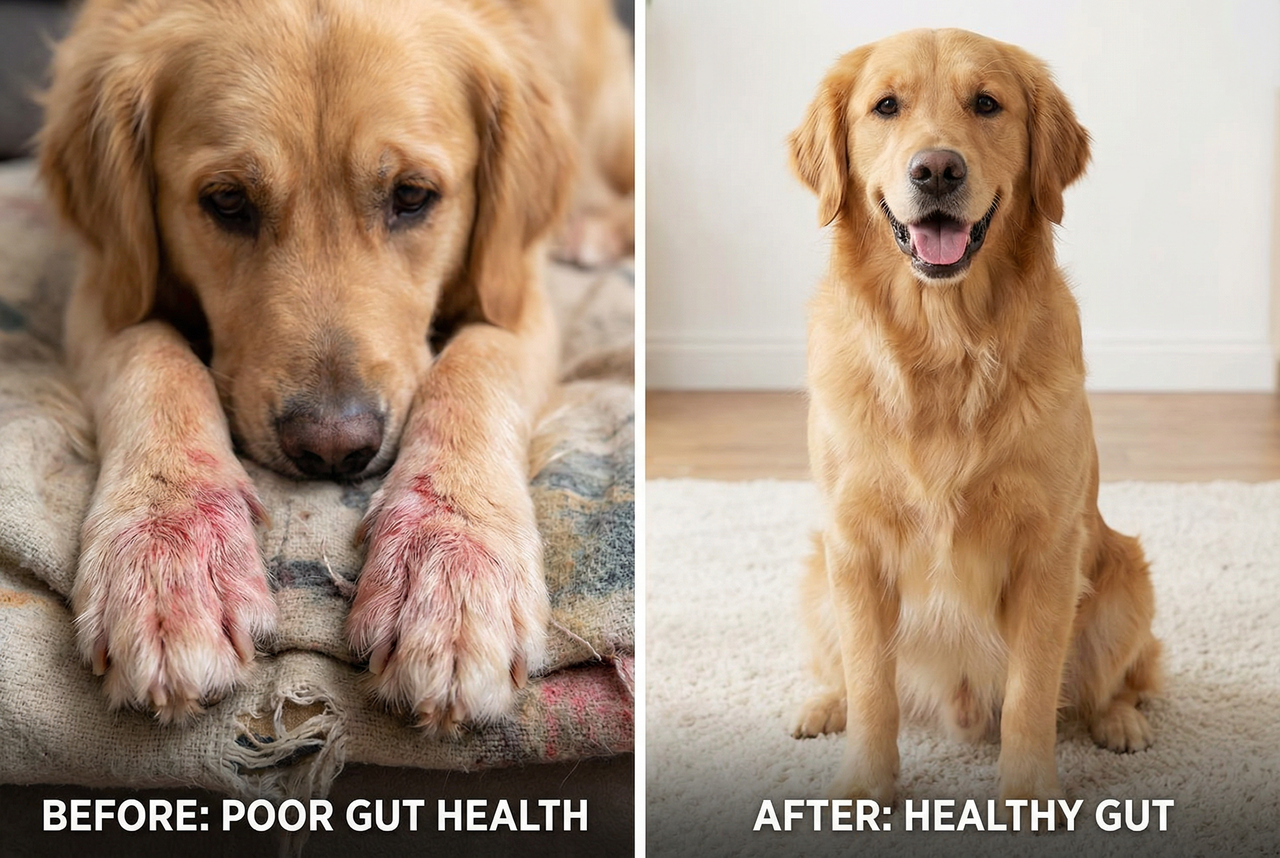
And the improvements weren't just skin-deep. Owners reported better energy, shinier coats, fewer ear infections, improved appetite. When the gut heals, everything downstream improves.
What Real Owners Have Told Me
I asked a few of my clients if they'd be willing to share their experience. Here's what they said:
"I found these soft chews when I was doing research for allergy medication. It turned out that my girl didn't have allergies — she just needed something to help her stop the itching. This did that from the inside. No more itching."
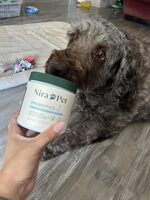
JB
Jamie Bateman
"This was the only product that we tried to get my baby off of Apoquel and Cytopoint. If those two names ring a bell, try this instead. Thank me later."
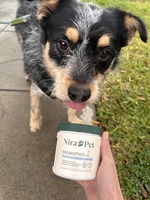
MS
Martin Silver
"I felt like I tried everything to get Chucky to stop itching himself raw. Even the vet didn't know what to do anymore. Finally tried these on the 30-day trial and have not needed to try anything else since."
These aren't unusual stories. I hear versions of them every week now.
Here's What I Think You Should Know
If your dog has been on Apoquel or Cytopoint for more than a few months and the itching keeps returning — or if the medications are working less and less over time — the problem probably isn't that you need a stronger drug.
The problem is almost certainly in their gut.
And you can keep suppressing the immune response with medications that cost $150-300 a month, knowing the itching will return the moment you stop.
Or you can try restoring the gut — the actual root cause.
That's not a sales pitch. That's just the math. And the science.
Nira Pet is currently running a Buy 2, Get 1 Free promotion.
That gives you a full 12-week supply — which is the complete gut restoration timeline the research supports.
They also offer a 30-day money-back guarantee. Full refund if your dog doesn't improve. No questions.
I've recommended this to twenty-three dogs in my practice. Eighteen are off their allergy medications. I wish I'd known about this approach five years ago.
If I could go back and tell my patients' owners one thing, it would be this: your dog's immune system isn't broken. Their gut is. And that's actually fixable.
How to Try It
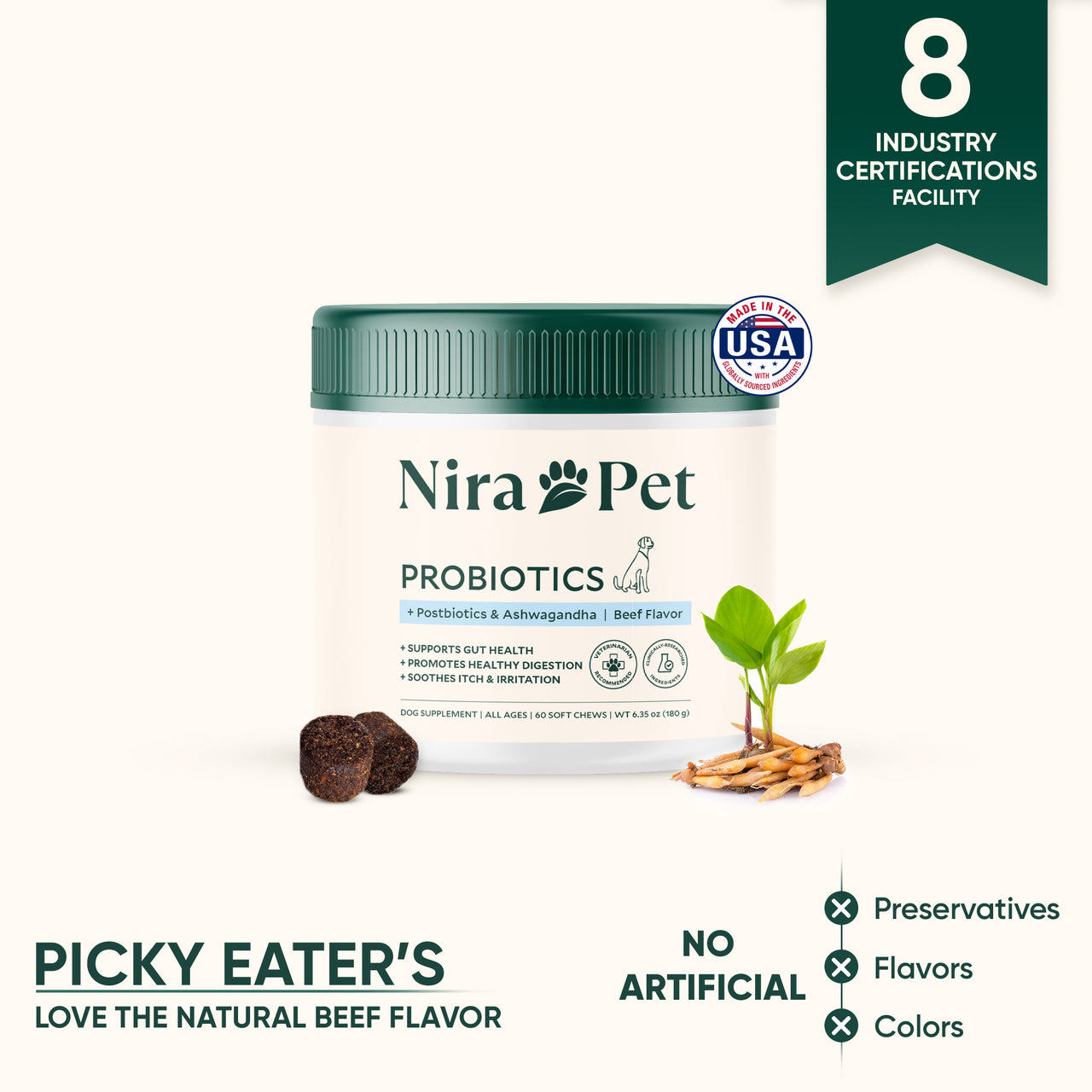
Nira Pet sells direct — no retail, no middlemen.
They prioritize quality over mass production, which means they sell out periodically. If the link above shows availability, inventory is current. If not, they typically restock within a few days.
You can also pause, skip, or cancel the subscription anytime. No hoops.
Recommended
4.8 | 1,752 Reviews
New 5-In-1 Anti Itch Soft Chew
Prebiotics + Probiotics + Postbiotics
Colostrum and Ashwagandha
60 Chews Per Jar
USA Made. 8 Third-Party Certifications.
Check Availability